







By Van Trinh
In today’s competitive market, businesses increasingly rely on creative designs for packaging, branding, and marketing campaigns to attract customers. However, using creative content without properly verifying intellectual property rights (IPRs) can expose companies to unexpected legal and financial risks.
A recent case involving the artwork “Nhong Nhong Nhong” serves as a useful reminder for businesses about the importance of respecting IPRs when developing product packaging and promotional materials.
Nearly 10,000 paper cups for Milk Tea destroyed due to copyright infringement.
Key Takeaways
- Check intellectual property risks before launching a product
- Protect intellectual property rights for original designs
- Obtain permission for third-party work
- Be aware of the consequences of infringement
- Integrate intellectual property compliance into business activities
Protect Your Creative Works With Us
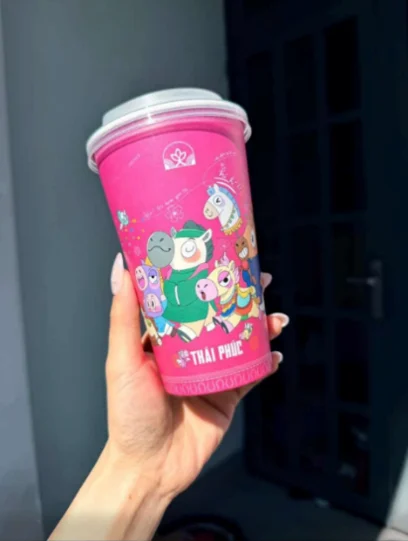
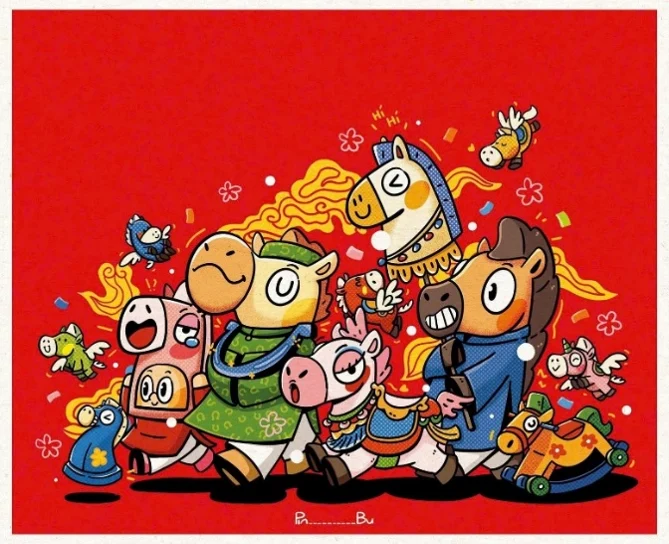
The incident took place in early 2026, during the period leading up to the Lunar New Year (Tet)– the busiest shopping season in Vietnam when many businesses introduce new product labels and promotional packaging.
The artwork “Nhong Nhong Nhong”, created by artist Trần Thành Đạt, had been exclusively licensed to Phuong Nam Bookstore.
At the same time, Thai Phuc Tea, a milk tea chain based in Buon Ma Thuot, released a series of paper cups featuring a label that closely resembled this artwork.
After discovering photos of the cups being advertised online, the artist realized that his artwork had been used without permission. He then contacted the business directly and requested that they stop using the label for commercial purposes.
Amicable Resolution Between the Parties
Following the notice, Thai Phuc Tea acknowledged the issue and expressed its willingness to resolve the matter responsibly.
On February 25, 2026, a meeting was held at the office of Phuong Nam Company with the participation of the relevant parties, that being Phuong Nam Bookstore, Artist Trần Thành Đạt, and Representatives of Thai Phuc Tea.
During the meeting, Thai Phuc Tea formally acknowledged the infringement, issued an apology, and signed a settlement agreement in accordance with applicable regulations. The parties resolved the dispute amicably based on goodwill and mutual respect.
Business Impact of the Infringement
Thai Phuc Tea confirmed that the cups printed with the disputed artwork had already been produced and used for a short period of time, totaling more than 10,000 paper cups in different sizes. Following the settlement, the company took corrective actions including:
- recalling all infringing cups from its stores
- destroying the remaining stock
- replacing the packaging with new labels in order to continue its business operations
In addition, Thai Phuc Tea agreed to compensate the artist VND 10 million (equivalent to USD 380) for copyright infringement and for the violation of the exclusive rights granted to Phuong Nam Bookstore.
Although the compensation amount itself was relatively small, the business still faced significant indirect losses, including costs for printing and producing packaging materials; expenses related to replacing marketing materials such as cups, posters, menus, and promotional items; product recall and destruction costs; and potential reputational impact on the brand.
This case demonstrates how copyright infringement can quickly lead to operational disruption and unnecessary business costs.
Intellectual Property Issues in Packaging and Marketing Materials
Product packaging and marketing materials often involve multiple forms of IPRs, not just copyright. For example, a typical beverage cup may simultaneously involve:
- a trademark for the brand name or logo printed on the cup, used to indicate the source of goods or services
- a copyright-protected artwork for the artistic elements such as illustrations, graphics, mascots, and visual compositions used in packaging or advertising materials
- and potentially an industrial design for the shape of the cup or packaging
If these rights are not properly reviewed before a product launch, businesses may face risks of intellectual property infringement in one or more of these areas.
We assist businesses in protecting and managing their intellectual property assets in Southeast Asia. By securing IPRs early, businesses can reduce legal risks and build long-term brand value in the market.
Should you need any advice on intellectual property strategy, portfolio management, enforcement, and commercialization to help your company maximize the economic value of its’ innovation, feel free to contact us at hello@kass.asia.